
Experience Day Examples
You can see on this page some examples of Experience Days we have run. To see our current schedule of Experience Days, click here.
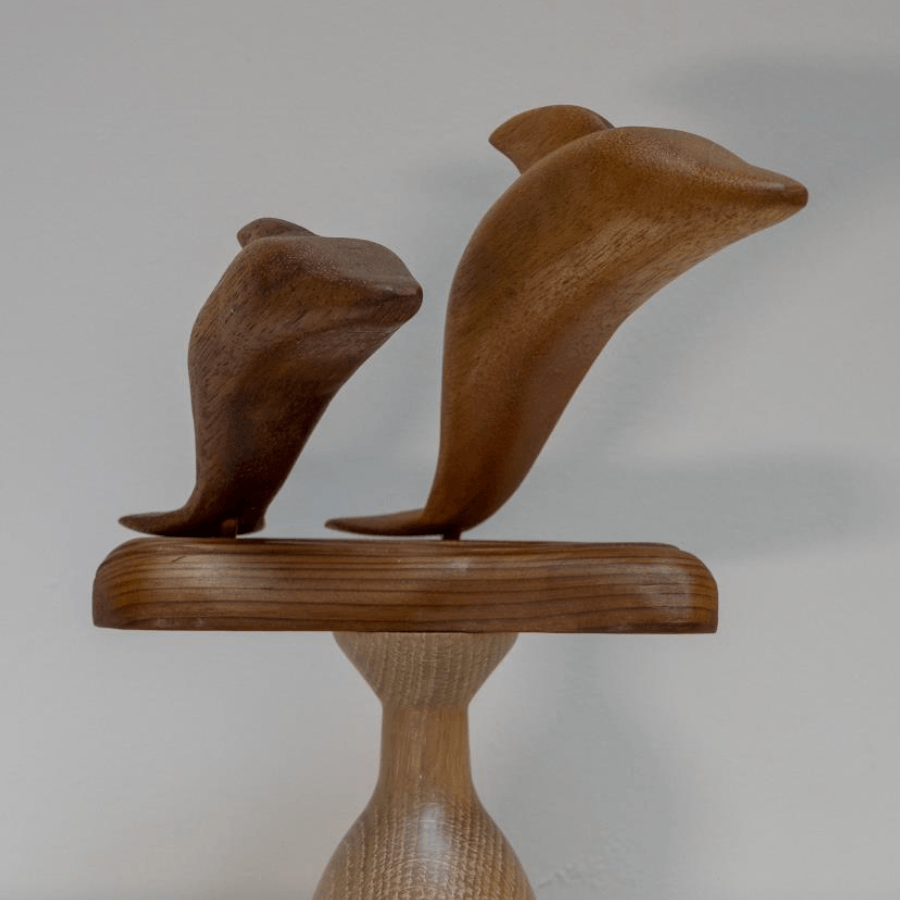
Carving Dolphin on Seascape
Led by Tim McGinn
Learn the fundamentals of woodcarving by creating a dolphin on a seascape. This course starts with three simplest carving knives, and wood blanks that have been pre-cut to their rough shapes. Learn how to shape the rough wood so that it gets closer and closer to the dolphin shape. Learn how each of the three knives has its own use, and how to keep them sharp while you carve. Tim has run this course several times before and it is always very well received.
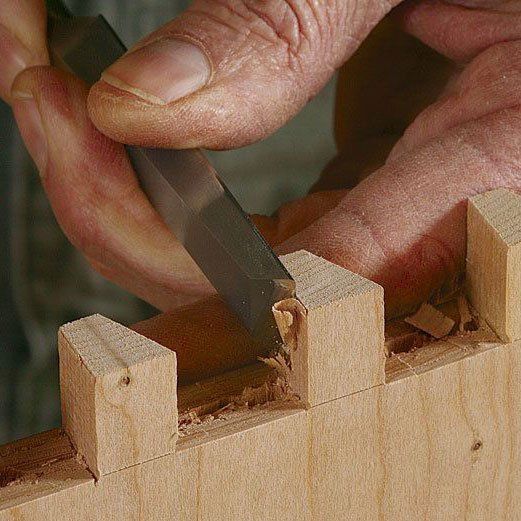
Dovetailing
Led by Toby Jeffries
Toby is starting his career as a professional woodworker, undertaking commissions and making his own designs. His workshop is near Woking and he is kindly giving up his time to show us how to make dovetail joints. Come along and learn tips and tricks for making accurate and well-proportioned dovetails. Ask as many questions as you like and expect to be well on the way to incorporating dovetails into your own pieces as a matter of course.
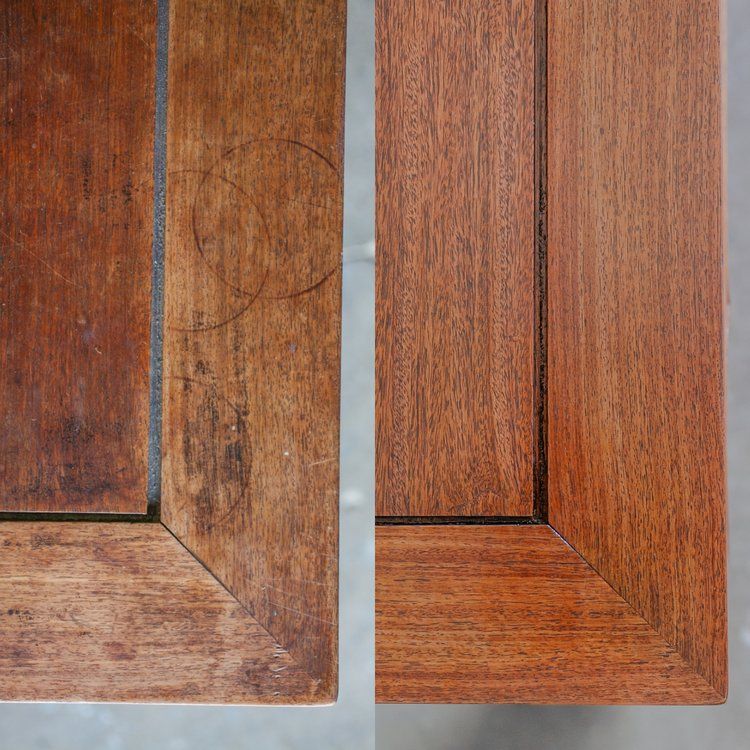
Restoration
Led by Roger Hardwick
Roger has many years under his belt restoring furniture. Come along and learn a number of techniques that will enable you to take a worn or damaged piece and make it look respectable again. This course is an opportunity to learn what you need to know to do your own restoration work. Bring along some pieces that need work, and Roger will be happy to advise.
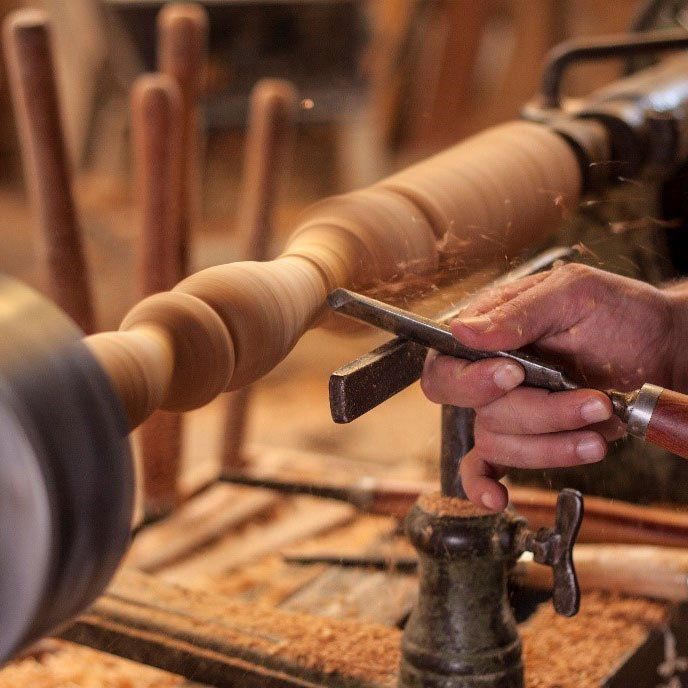
Woodturning
Led by Colin Waters
Learn basis techniques on the lathe in this introductory course. Learn the first three cuts every woodtuner needs (cove, bead and vee). These cuts will provide you with endless possibilites for producing your work of a high quality. Also covered will be techniques for achieving a fine finish on your turned work.
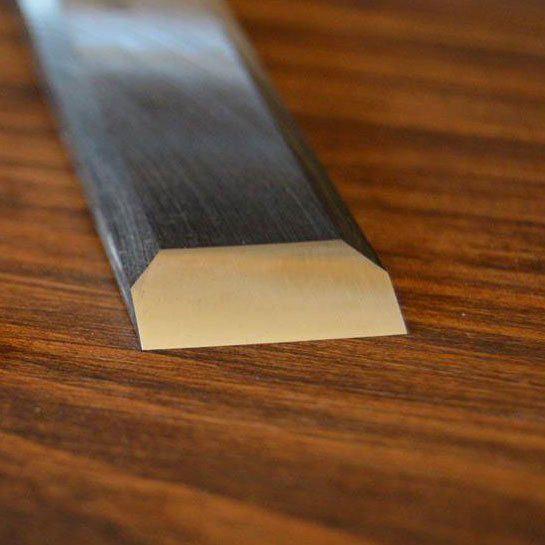
Chisel Sharpening
Led by Bruce Richardson
Bruce will take the class through setting up the scary sharpening system before explaining the use of a honing guide. The class will then work through the process of preparing a sharp chisel. Evaluating what is needed, flattening and polishing the back, honing a primary and secondary bevel, then testing sharpness. The class will then practice this approach on their chisels, supported throughout. There is also the opportunity to sharpen plane blades.
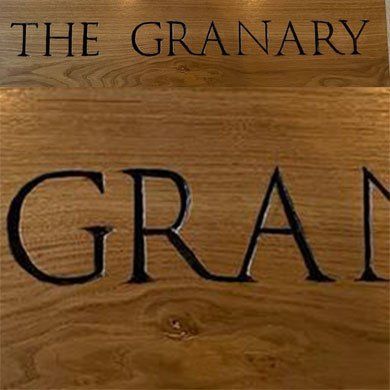
Carving Nameplates
With Tim McGinn
Our second woodcarving course teaches the skills and techniques required to carve letters. Much letter-carving, whether in wood or stone, is done using the classic Trajan font. Tim will show you how to create clean-cut and accurate lettering using a few simple chisels. With care, you can expect to be producing a high standard of work by the end of the day.
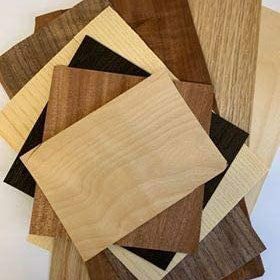
Traditional Veneering
Led by Roger Hardwick
In this introduction, Roger will show you how to apply veneers in the traditional way. This is useful skill whether producing new pieces or restoring old furniture.
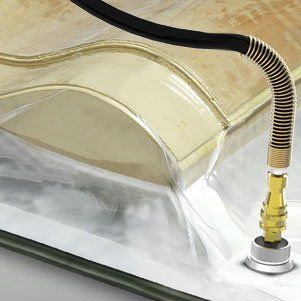
Vacuum Veneering
Led by Bruce Richardson
As well as Roger's course on traditional veneering, we are delighted that Bruce will be showing us the more recent technique of vacuum veneering. While it might appear simpler than the traditional method, it has skills of its own. Attendees will select and join laser-cut squares and create a mitred veneer frame. They will glue these to a baseboard and use the vacuum bag to press the veneers while the glue sets. After the glue has dried, they will scrape and sand the board, and apply varnish to create the finished piece, ready for use.
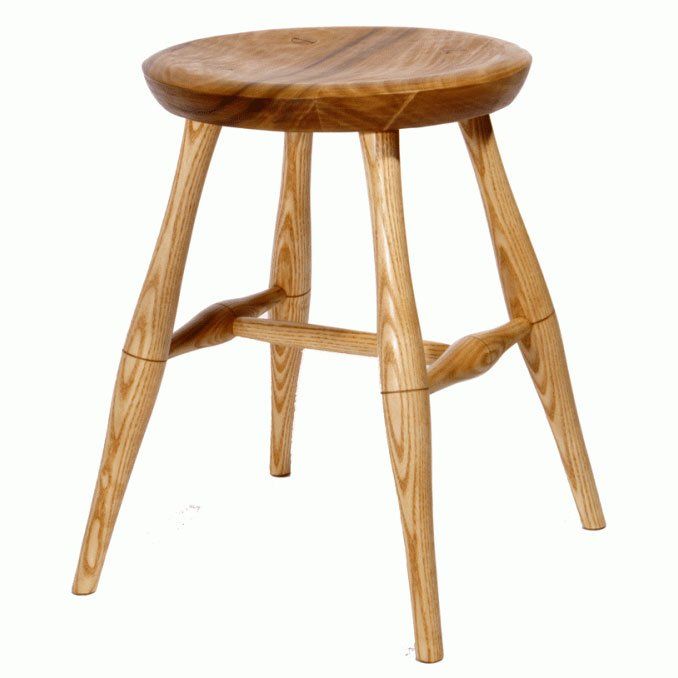
Guyett Award Stool Making
Led by James Mursell
We are delighted to be sponsoring some members to attend James Mursell's aclaimed stool making workshop. At the end of this two day course, the attendees will have a professional stool that will last a lifetime, and beyond. We are grateful to Jane Guyett, daughter of founder member Peter Guyett, for kindly supporting this training with a significant financial contribution, enabling members who might not otherwise be able to afford it to develop new skills.
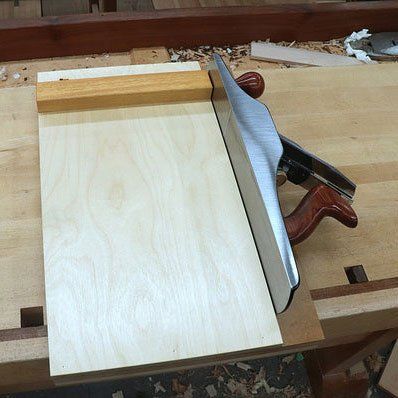
Bench Hook and Shooting Board
Led by Tim McGinn
For most constructions, it essential to get the ends and edges of timber accurately square (or accurately mitred). The time-honoured method, and probably still the best, is to use a sharp hand plane and a shooting board. For this reason, the shooting board is one of the most useful jigs in the workshop.
The aim of this session is for each attendee to make firstly a bench hook, and then shooting board, using a combination of hand and power tools, including using a shooting board to square some of the component parts.
Materials will be provided.